Wondering if you can confidently buy a turnkey condo in Blue Mountain Resort without hopping on a plane every weekend? You are not alone. Many second-home buyers and remote investors want a smoother way to purchase along 30A while still doing the right homework. The good news is that with the right documents, local guidance, and a clear process, you can evaluate a condo from afar and move forward with more confidence. Let’s dive in.
Why Blue Mountain Works Remotely
Blue Mountain Beach offers a laid-back setting along Scenic Highway 30A, and Visit South Walton notes that it sits at South Walton’s highest elevation at about 65 feet. The area includes a mix of accommodations, from beach cottages to newer homes, which gives buyers a range of property styles to consider.
For remote condo buyers, the neighborhood is especially workable because many location details can be reviewed before an in-person trip. You can study maps, listing media, street views, and virtual tours to get a better feel for beach access, surrounding roads, and nearby amenities.
One practical example is Blue Mountain Regional Beach Access. According to Visit South Walton, it includes public access features such as seasonal lifeguards, restrooms, parking, ADA-accessible restrooms and parking, a water fountain, and vendor management. Those are the kinds of everyday details that matter when you are buying a furnished condo for personal use, occasional stays, or rental use.
Start With the Turnkey Basics
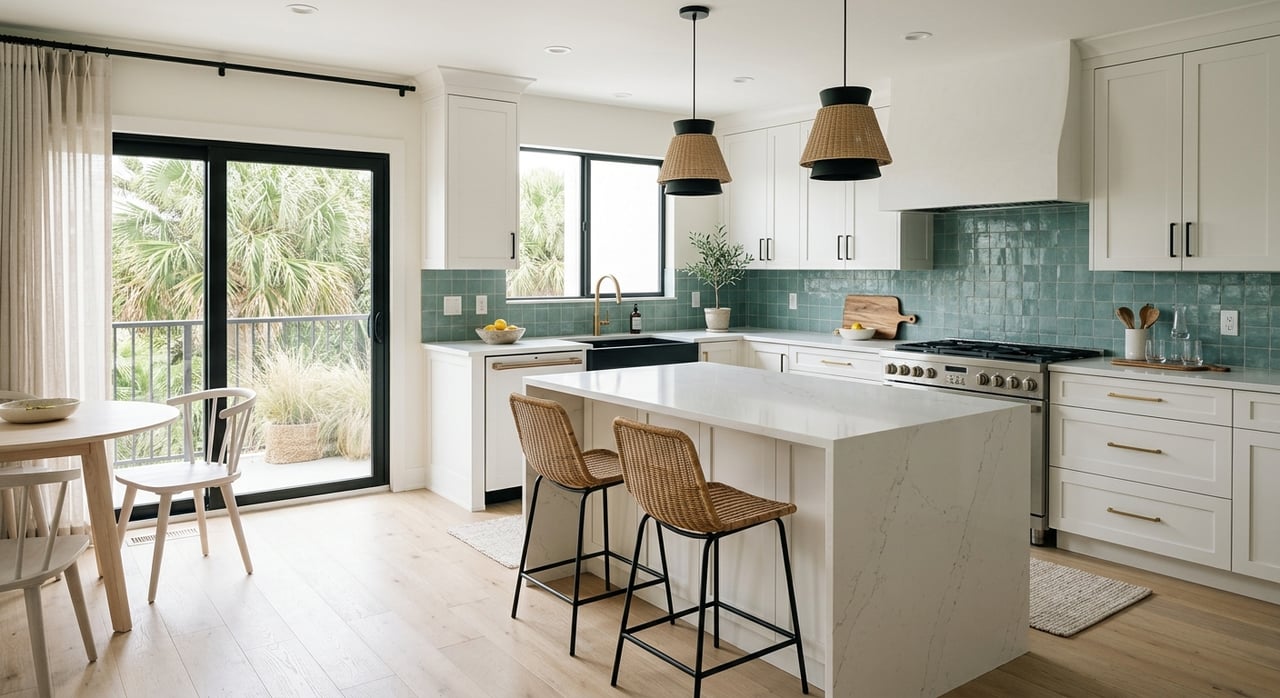
A turnkey condo should be more than nicely staged photos. When you are buying remotely, you need to confirm what actually conveys with the sale and whether the unit is ready for immediate use after closing.
Ask for a detailed inventory of furnishings, decor, kitchen items, electronics, and outdoor pieces if applicable. You also want recent photos or video that show the current condition of those items, not just polished marketing images from an earlier listing cycle.
It also helps to review the practical side of the setup. Confirm appliance age if available, internet availability, parking arrangements, storage, and any owner-use or rental-related features that affect convenience. A condo that looks turnkey online should also function smoothly in real life.
Review the Condo Documents Early
One of the most important protections for Florida condo buyers is the document package required under Florida Statute 718.503. A resale buyer must receive the declaration of condominium, articles of incorporation, bylaws and rules, the most recent annual financial statement and annual budget, and the FAQ document.
Timing matters. If those documents are not delivered more than 7 days before contract execution, you have a 7-day right to cancel after receipt. For a remote buyer, that creates an important review window, especially if you are comparing several condos and want time to understand the association’s financial and operational picture.
This same statute also requires disclosure language related to milestone inspections, turnover inspection reports, and structural integrity reserve studies when applicable. If these materials are provided later, the law gives buyers a 7-day cancellation or closing-extension right in certain situations. That can be especially valuable when you are making decisions from out of state.
Focus on Structure and Reserves
If you are buying a condo marketed as turnkey, do not stop at furniture and finishes. The building itself matters just as much, especially in a coastal setting.
Under Florida’s milestone inspection law, a building that is three habitable stories or more and subject to condo or co-op ownership must undergo a milestone inspection by the year it reaches 30 years of age and every 10 years after that. Local enforcement agencies may require the first inspection by age 25 in coastal or salt-water settings.
The same law makes structural reserve planning a major issue for associations. For owner-controlled condominium associations, the structural integrity reserve study deadline is December 31, 2025, and it may be completed as late as December 31, 2026 when paired with a milestone inspection. Because reserve funding must track the most recent study, remote buyers should pay close attention to reserve schedules, planned repairs, and any special-assessment history.
A few questions can go a long way here:
- Has the association completed any required milestone inspection work?
- Is a structural integrity reserve study complete, pending, or scheduled?
- Have there been recent special assessments?
- Are repairs planned that could affect use, budget, or future fees?
- Does the annual budget appear to support ongoing maintenance?
Track Association Activity From Afar
Remote ownership gets easier when the association communicates well. Florida condo law allows associations to post meeting notices on a website, send electronic notices to owners who consent, and conduct unit-owner meetings by video conference under Florida Statute 718.112.
If a meeting is held by video conference, the notice must include a hyperlink and phone number, and the recording must be kept as an official record. For out-of-state buyers, this is more than a technical detail. It can help you follow association priorities before closing and stay informed after you become an owner.
This is one reason it helps to ask how the association shares updates. A website, regular electronic notices, and accessible meeting records can make a big difference when you are not local full time.
Get an Independent Inspection
Even if a condo appears move-in ready, an independent inspection is still a smart step. Photos and walkthrough videos cannot replace a neutral, on-site review of the unit’s condition.
For a remote buyer, the inspection gives you a reality check on visible wear, maintenance items, and issues that may not show clearly online. It can also help you decide which repairs or credits to request before closing, especially in a furnished unit where deferred maintenance may be easy to miss.
You may also want to review insurance considerations early with your transaction team. In a coastal condo purchase, building coverage, unit responsibilities, and association insurance contacts are all practical details worth confirming before the final stretch.
Order the Estoppel Certificate
One of the most important pre-closing documents in a Florida condo purchase is the estoppel certificate. Under Florida Statute 718.116, the association must issue an estoppel certificate within 10 business days after a written or electronic request.
The estoppel certificate can confirm unpaid assessments, upcoming amounts due, transfer fees, rule violations, transfer restrictions, insurance contact information, and other ownership details. In short, it helps show whether the transaction can close cleanly.
For remote buyers, this document is especially useful because it verifies details that may not be obvious from the listing or seller disclosures. If you plan to buy a condo as a true low-friction second home or rental-ready asset, this is one of the final checkpoints you do not want to skip.
Confirm Rental and Tax Logistics
If you plan to use the condo as a short-term rental, make sure you separate tax compliance from HOA approval. They are not the same thing.
The Florida Department of Revenue states that transient rentals of condos for six months or less are taxable. Its current tax history lists Walton County at 12 percent for living and sleeping accommodations, and for ZIP code 32459, the local tourist development tax rate is 5 percent.
That means a remote buyer should verify the tax treatment for the specific address and intended use early in the process. You also need to confirm any rental or transfer restrictions through the condo documents and estoppel certificate, since association rules may affect how you use the property even when a local tax framework exists.
If the condo will be your primary residence, ownership costs may look different. The Walton County Property Appraiser says homestead and other real-property exemption applications are due by March 1, and the initial application must be made in person. That is an easy detail to miss when you are coordinating a move from another state.
Close Remotely With the Right Team
Florida law supports remote closings through online notarization. According to the Florida Department of State, a Florida online notary may perform notarizations by audio-video communication, and the notarization is valid under Florida law even when the signer is outside the state.
This can make the final signing process much easier if your lender, title company, and other parties are set up for electronic signatures and remote online notarization workflows. Instead of scrambling for travel, you may be able to complete closing from home while staying on schedule.
A smooth remote closing still depends on coordination. You want clear timelines, organized documents, and a local real estate team that can help keep communication moving between the seller, association, title company, and closing partners.
A Simple Remote Buying Workflow
If you want a practical path, use this order of operations:
- Review virtual tours, maps, and neighborhood context.
- Confirm beach access, parking, and the condo’s turnkey inventory.
- Request and review condo documents, budget, FAQ, and governing rules.
- Check milestone inspection and structural reserve study status when applicable.
- Order an independent inspection.
- Request the estoppel certificate and verify fees, balances, and restrictions.
- Confirm tax treatment and ownership plans, especially for short-term rental or primary residence use.
- Coordinate remote closing through parties equipped for electronic workflows.
- Line up local post-closing support, such as maintenance or property management help if needed.
Buying a turnkey Blue Mountain Resort condo remotely can absolutely be done well, but the key is treating convenience and diligence as equally important. The right property should feel easy to enjoy, easy to manage, and well-supported by the association records behind it. If you want local, concierge-level guidance as you compare 30A condos from out of state, Emerald Dunes Realty is here to help you move forward with clarity.
FAQs
What documents should you review before buying a Blue Mountain condo remotely?
- You should review the declaration of condominium, articles of incorporation, bylaws and rules, the most recent annual financial statement and budget, the FAQ document, and any applicable milestone inspection or structural reserve study materials.
What does the estoppel certificate show in a Florida condo purchase?
- The estoppel certificate can show unpaid assessments, amounts due, transfer fees, rule violations, transfer restrictions, insurance contact information, and other ownership details that help confirm whether the closing can proceed cleanly.
Can you close on a Florida condo remotely from another state?
- Yes. Florida allows remote online notarization by audio-video communication, and the notarization is valid under Florida law even if you are outside Florida.
What should remote buyers know about Blue Mountain Beach access?
- Blue Mountain Regional Beach Access is open to the public and includes features such as seasonal lifeguards, restrooms, parking, ADA-accessible restrooms and parking, a water fountain, and vendor management.
What taxes apply if you rent out a Blue Mountain condo short term?
- The Florida Department of Revenue states that transient rentals of condos for six months or less are taxable, and Walton County is listed at 12 percent for living and sleeping accommodations, with a 5 percent local tourist development tax rate for ZIP code 32459.
What should primary residence buyers know about Walton County homestead timing?
- Walton County says homestead and other real-property exemption applications are due by March 1, and the initial application must be made in person.