If you’re eyeing Seagrove Beach for a vacation home that also earns its keep, you’re in good company. The 30A coastline has strong name recognition and steady visitor demand, and Seagrove sits right in the center of it. In this guide, you’ll learn what drives rental income here, the key rules and taxes to check before you buy, and a simple framework to compare properties with confidence. Let’s dive in.
Seagrove rental market at a glance
Seagrove Beach is an unincorporated community along Scenic Highway 30A in South Walton, known for its coastal neighborhoods and easy Gulf access (location overview). The broader 30A area draws significant visitor demand that supports short-term rentals, with national coverage highlighting why these beaches are in such high demand (why 30A is popular).
For a quick benchmark, AirDNA’s Santa Rosa Beach/30A snapshot shows market occupancy around 54% and an average daily rate (ADR) near $693. These are market-level estimates, and individual property results vary by location, size, and amenities (AirDNA market view).
Seasonality is real on 30A. Expect peak demand from late spring through summer, plus spring-break spikes and select fall and winter holiday weeks. Smart pricing and minimum-stay policies can help you bridge shoulder seasons (seasonality guidance).
What drives rental performance in Seagrove
Proximity to beach access
“Distance to sand” is the clearest driver of ADR and bookings along 30A. Gulf-front and steps-to-beach homes command meaningful premiums, and a short 5–10 minute walk still performs strongly. Time the actual walk to the nearest access and note whether it’s public or private (amenity impact insights).
Size and sleeping capacity
Larger homes that host groups can achieve higher gross revenue, especially in peak weeks. Compare bedroom count, bunks, and practical sleeping capacity. Look for floor plans that offer privacy and enough full bathrooms to keep groups comfortable.
Bathrooms and en-suite ratio
Guests value enough full baths and en-suite setups. A better bathroom-to-bedroom ratio reduces friction during group stays and supports stronger reviews and ADRs. Map your effective guest capacity to the number of full baths.
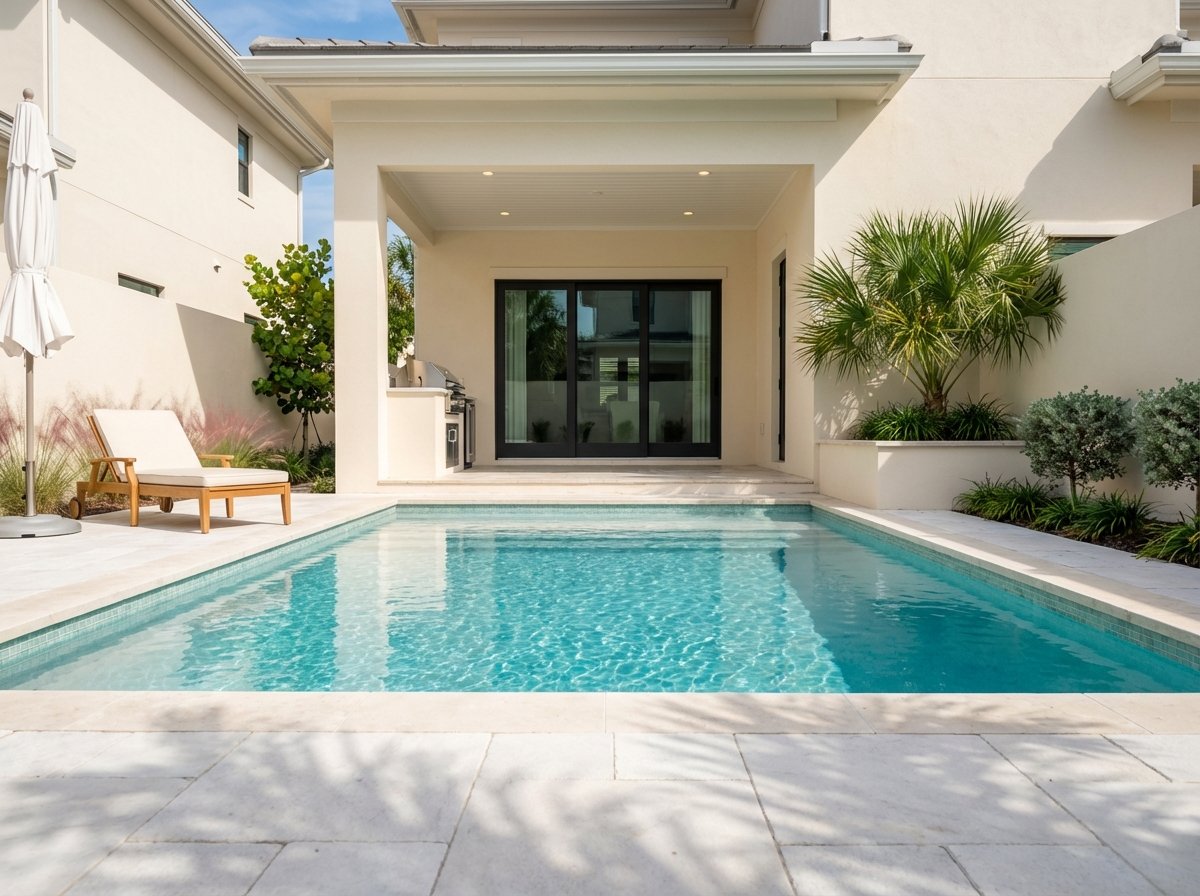
Private pool and outdoor living
A private heated pool can materially lift rates and extend the season. Some local operators estimate homes with pools can achieve up to about 25% higher rates in cooler months. Verify pool condition, heater capability, and maintenance costs (amenity impact insights).
Interior finish and staging
Updated kitchens, quality finishes, modern appliances, and consistent linens help you command premium pricing. Professional photography matters. Ask for a current FF&E inventory and the date of the last refresh.
Essential amenities and tech
Guests expect high-speed internet, streaming-ready TVs, reliable HVAC, washer/dryer, and keyless entry. Many 30A listings already offer these, so treat them as table stakes. Add beach gear and thoughtful touches to help conversions.
Parking and access logistics
Off-street parking is a must for group travel. Confirm the number of spaces, garage use, and any HOA rules on vehicles or golf carts. Limited parking or tricky access can hurt desirability.
Safety, elevation, and insurance
Elevation, flood zone, and hurricane hardening affect insurance and operating costs. Request the Elevation Certificate, roof age, and details on impact windows or straps. Confirm any HOA or community maintenance requirements that impact risk and budget.
Simple revenue forecast method
You can build a quick top-line estimate for any specific property:
- Choose a realistic ADR using nearby comps from tools like AirDNA or recent bookings from the seller.
- Select a realistic occupancy rate based on location and amenities.
- Gross revenue = ADR × occupied nights. Occupied nights = occupancy % × 365.
Illustrative example: ADR $600 and occupancy 55% equals roughly 201 occupied nights and about $120,600 in gross revenue. Use comps and a local property manager to refine these assumptions for the exact home you’re evaluating (AirDNA market view).
Two quick scenarios
3-bedroom cottage near the beach
If comps suggest an ADR near the market snapshot and occupancy around 55%, a 3-bedroom a short walk to the beach might model similarly to the example above at about $120,600 in gross revenue. Strong reviews, a refreshed interior, and reliable HVAC can nudge results upward.
6–7 bedroom home with a pool
Larger homes can support premium ADRs, especially in peak season. As a simple illustration only, if you model ADR at $1,200 and occupancy at 50%, that implies roughly $219,000 in gross revenue. High-end 30A homes often reach six figures in published examples, but they also carry higher operating and capital costs, including pool care and more frequent maintenance (amenity impact insights).
Regulations and taxes to verify
Before you buy, confirm rules and registrations for the exact parcel and community:
- Walton County Vacation Rental Registration Program is required. The county publishes fees, inspection checklists, and forms, including a $300 initial/annual per-property registration fee. Always confirm the property’s current registration status (Walton VRRP).
- A Florida DBPR vacation rental license is typically required before advertising. The VRRP resources reference DBPR and South Walton Fire District safety items.
- Walton County Tourist Development Tax. South Walton, which includes Seagrove’s 32459 zip code, applies a 5% TDT on short stays. Confirm your parcel’s district and ensure proper collection and remittance (TDT overview).
- State sales tax. Florida imposes 6% sales tax on transient rentals. Register with the Florida Department of Revenue and verify which taxes, if any, platforms collect on your behalf (Florida DOR guidance).
- HOA rules. Some communities set minimum stays or vehicle and golf cart policies. Pull covenants, budgets, and recent minutes for any home under contract.
- Enforcement. Walton County lists penalties for operating without registration and maintains complaint hotlines. Bake compliance costs and risk into your underwriting.
Important note: Rules and tax guidance can change. Always confirm with Walton County and the Florida Department of Revenue before relying on projections.
Due diligence checklist
Work through these steps to verify rental potential and operating assumptions:
- Request the last 12 months of rental statements, including monthly gross, ADR by week, occupancy per month, and cleaning and maintenance expenses.
- Confirm Walton County VRRP certificate and the DBPR license number; ask for copies and check the county portal (Walton VRRP).
- Confirm TDT registration status and how taxes are remitted (platform vs owner) (TDT overview).
- Pull HOA documents and minutes to spot rental restrictions, parking limits, or golf cart rules.
- Order an Elevation Certificate if the home is in AE or VE and obtain current insurance renewal documents.
- Get 2–3 local property manager proposals with modeled net income based on your assumptions and similar homes they manage.
- Scope capital needs and set reserves for roof, flood mitigation, pool equipment, and HVAC; get vendor quotes where needed.
- Verify zoning and permitted uses through Walton County resources and confirm any special district rules.
Seasonal planning and risk
Plan for a strong late-spring-through-summer peak, thoughtful shoulder-season pricing, and minimum-stay rules that support weeklong family and group travel (seasonality guidance). A heated pool can extend the bookable season. Build a hurricane-season plan for June through November and align your policies with preparedness guidance (NOAA hurricane resources). On the cost side, ask insurers about mitigation steps that can reduce risk and help with premiums (mitigation steps and benefits).
Quick property evaluation checklist
Use this on-site or when reviewing a listing:
- Walk time to beach access and whether there is a private or shared walkover.
- Bedroom count, true sleeping capacity, and bathroom count and layout.
- Pool presence, condition, heater capability, and outdoor living spaces.
- Off-street parking count, garage access, and any HOA vehicle rules.
- HOA covenants that limit rentals or set minimum stays.
- Current VRRP certificate, DBPR license, and TDT registration.
- Last 12 months of rental statements and recent guest reviews.
- Insurance quotes, flood zone status, and Elevation Certificate.
Ready to compare properties?
Choosing the right Seagrove Beach home for rentals starts with the basics: beach access, capacity, amenities, and clean compliance. From there, let data and documents guide your decision. If you want a boutique, local partner to help you source, evaluate, and negotiate the right 30A property, connect with Emerald Dunes Realty.
FAQs
Are short-term rentals allowed in Seagrove Beach, FL?
- Yes, Walton County permits short-term rentals with proper registration. Confirm the county’s Vacation Rental Registration Program requirements, DBPR licensing, and any HOA rules before you buy (Walton VRRP).
What taxes apply to Seagrove vacation rentals?
- Plan for 6% Florida state sales tax and 5% Walton County South Walton Tourist Development Tax on short stays. Register and confirm whether any platform collects on your behalf (Florida DOR guidance; TDT overview).
What features most boost 30A rental income?
- Proximity to the beach, adequate bedroom and bathroom counts, and a private heated pool are major drivers. Strong interiors, reliable Wi‑Fi, and keyless entry are expected (amenity impact insights).
How much do 30A property managers charge?
- Full-service vacation rental managers commonly charge about 20–30% of gross rental revenue. Lower-cost marketing-only options exist but require you to handle local operations (industry overview).
How should I estimate revenue for a specific Seagrove home?
- Start with comps for ADR and occupancy, then apply Gross Revenue = ADR × (occupancy% × 365). Use tools like AirDNA and ask sellers for 12-month statements to validate (AirDNA market view).