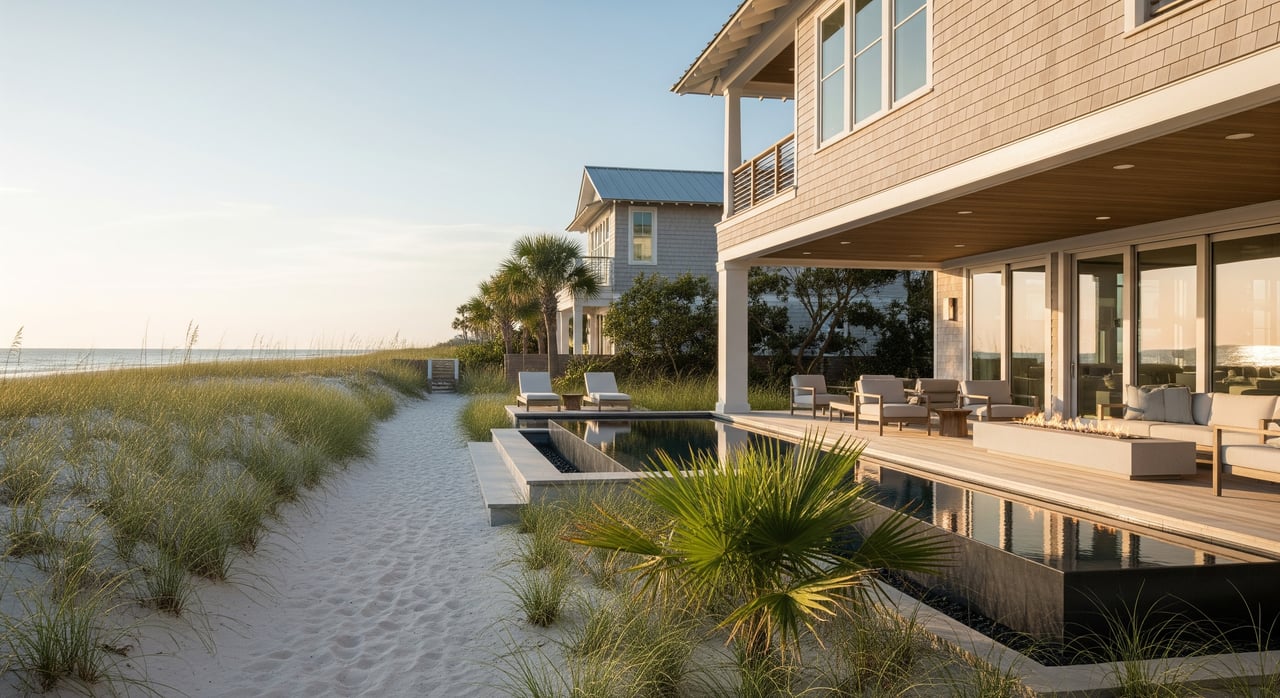
Thinking about buying in Santa Rosa Beach but not sure where to start? Coastal purchases come with extra layers like flood zones, HOA rules, and insurance. You want a clear plan that fits your goals, whether you are eyeing a beach cottage, a gulf-view condo, or an income-producing rental. This guide walks you through each step, highlights local issues to verify, and shares practical tips for 30A’s competitive market. Let’s dive in.
Why buying here feels different
Santa Rosa Beach sits along Scenic Highway 30A in unincorporated Walton County. That means county rules, permits, and short-term rental regulations shape what you can do with a property. Many homes are within HOAs or condos, so you will review covenants, fees, and rental policies early.
Demand is seasonal and tourism-driven. Popular neighborhoods can see limited inventory and multiple offers. Cash and jumbo loans are common for beachfront and luxury condos, so strong preparation helps you compete.
Your step-by-step path
1) Prepare and plan
Start with your purpose. Is this a primary home, a second home, or an investment with short-term rentals? Your financing, insurance, and HOA strategy will flow from that.
Get pre-approval with a lender who understands Florida coastal properties. Ask about flood requirements, hurricane and wind coverage, and jumbo loan timelines. Choose a local buyer’s agent who knows Walton County contracts, HOAs, and 30A market rhythms.
2) Search and pre‑due diligence
Tour key neighborhoods and study beach access, dune lines, elevation, and parking. As you shortlist properties, request HOA or condo rules to spot rental restrictions and insurance requirements. Check if renovations or additions could be limited by county setbacks or coastal rules.
3) Make an offer and negotiate
In Florida, you will use standard contract forms with negotiated timelines for inspections, financing, and closing. Earnest money is typically deposited with the title company after contract execution. In competitive moments, sellers may favor tighter timeframes or fewer contingencies. Balance risk with protection.
4) Inspections and due diligence
Schedule a general home inspection plus coastal add-ons as needed. Common extras include wind mitigation review, termite or WDI, mold, roof, pool or spa, and HVAC. Order a survey to confirm boundaries, easements, and any coastal setback issues. Review HOA or condo documents for budgets, reserves, insurance, rental policies, and any pending assessments.
If the property is in a flood zone, confirm whether an Elevation Certificate exists or is needed. This can affect insurability and cost.
5) Appraisal and underwriting
Your lender orders the appraisal. Fast-moving beach markets can create appraisal gaps if values outpace comps. Be ready to negotiate or plan for a gap if it occurs. Underwriting will confirm your financing, title, and insurance.
6) Title, closing prep, and walk‑through
The title company will complete a title search and issue a title commitment. You will review the Closing Disclosure showing prorations for taxes and HOA dues, recording charges, and prepaids. Do a final walk-through to confirm condition and agreed repairs.
7) Closing and recording
You will sign at the title company or attorney’s office, funds are disbursed, and the deed is recorded with the Walton County Clerk. Possession follows the contract terms.
Coastal issues to verify
Flood zones and elevation certificates
Much of Santa Rosa Beach lies in coastal flood zones. Lenders generally require flood insurance in Special Flood Hazard Areas. Check the property’s flood zone using the FEMA Flood Map Service Center and confirm whether an Elevation Certificate is available or needs updating.
Hurricane and windstorm insurance
Budget for windstorm and hurricane coverage in addition to standard hazard insurance. Learn about policy availability and consumer guidance from the Florida Office of Insurance Regulation and the Citizens Property Insurance Corporation. A wind mitigation inspection can sometimes earn premium credits.
Short‑term rental rules and taxes
Santa Rosa Beach is in unincorporated Walton County, so county ordinances and HOA or condo rules govern rentals. Confirm whether a property allows short‑term rentals and ask about registration and safety requirements. For local tourist development tax obligations on rentals, review the Walton County Tax Collector’s Tourist Development Tax information.
Coastal setbacks, dunes, and permits
Construction and major changes near the beach can be limited by coastal setback lines and dune protections. Start with Walton County Planning and Development Services for local land development rules and permitting. For state coastal construction guidance, review the Florida DEP Coastal Construction Control Line.
Utilities and septic
Some homes are on septic systems or private wells. Order the right inspections and confirm utility connections, provider availability, and any impact fees for new hookups.
Property taxes and closing fees
Check parcel data and assessed values with the Walton County Property Appraiser. Florida charges documentary stamp tax on deeds and an intangibles tax on mortgages. Review state guidance from the Florida Department of Revenue on Documentary Stamp Tax. Recording practices and fees are handled by the Walton County Clerk of Courts.
Costs and timelines
A financed purchase commonly closes in 30 to 60 days. Cash deals can close faster. Inspection periods often run 7 to 14 days, and financing contingencies are often 21 to 30 days depending on the contract.
Expect buyer closing costs to include lender fees, appraisal, title search and title insurance, recording fees, prorated taxes and HOA dues, and prepaids for insurance and taxes. In HOA or condo communities, you may also see transfer fees or capital contributions.
Offer strategies for 30A
- Get full pre‑approval with a coastal-savvy lender before touring.
- Shorten contingency windows only if your risk tolerance and schedule allow.
- Consider appraisal gap strategies if you are comfortable with the numbers.
- Keep inspection rights, but focus on major systems and safety issues.
- If renting is part of your plan, confirm HOA and county rules before offering.
Build your local team
Surround yourself with professionals who work 30A every day. Lean on a buyer’s agent for neighborhood insight, an experienced coastal lender for underwriting and insurance planning, a licensed inspector familiar with wind and moisture issues, and a title company that knows Walton County practices.
The bottom line
Buying in Santa Rosa Beach can be straightforward when you follow a clear plan and verify coastal details early. With a thoughtful strategy, you can secure the right home, protect your investment, and enjoy the lifestyle that draws people to 30A.
Ready to talk through your goals and start touring curated options? Reach out to Emerald Dunes Realty for boutique, local guidance. Start Your Coastal Home Search.
FAQs
Do I need flood insurance in Santa Rosa Beach?
- It depends on your FEMA flood zone and lender requirements. Check your property’s zone on the FEMA Flood Map Service Center, and verify whether an Elevation Certificate is available.
How long does closing usually take in Walton County?
- Most financed purchases close in 30 to 60 days. Cash deals can be faster, depending on title readiness and inspections.
Are short‑term rentals allowed in Santa Rosa Beach?
- It varies by neighborhood, HOA or condo rules, and county ordinances. Confirm rental permissions and review tourist tax requirements with the Walton County Tax Collector’s Tourist Development Tax.
What inspections are most important for coastal homes and condos?
- A general home inspection plus wind mitigation, roof, termite or WDI, moisture or mold as needed, pool or spa, HVAC, and a survey to confirm boundaries and any setback issues.
What closing costs and taxes should I expect in Florida?
- Typical buyer costs include lender fees, appraisal, title search and title insurance, recording fees, prorations, and prepaids. Florida charges documentary stamp tax on deeds and an intangibles tax on mortgages. See the Florida Department of Revenue guidance and check recording practices with the Walton County Clerk of Courts.
What makes the 30A market competitive for buyers?
- Seasonal demand, limited inventory in popular areas, and the appeal of short‑term rental potential can lead to multiple offers and tighter contingency timelines. Strong preparation and local guidance help you compete.