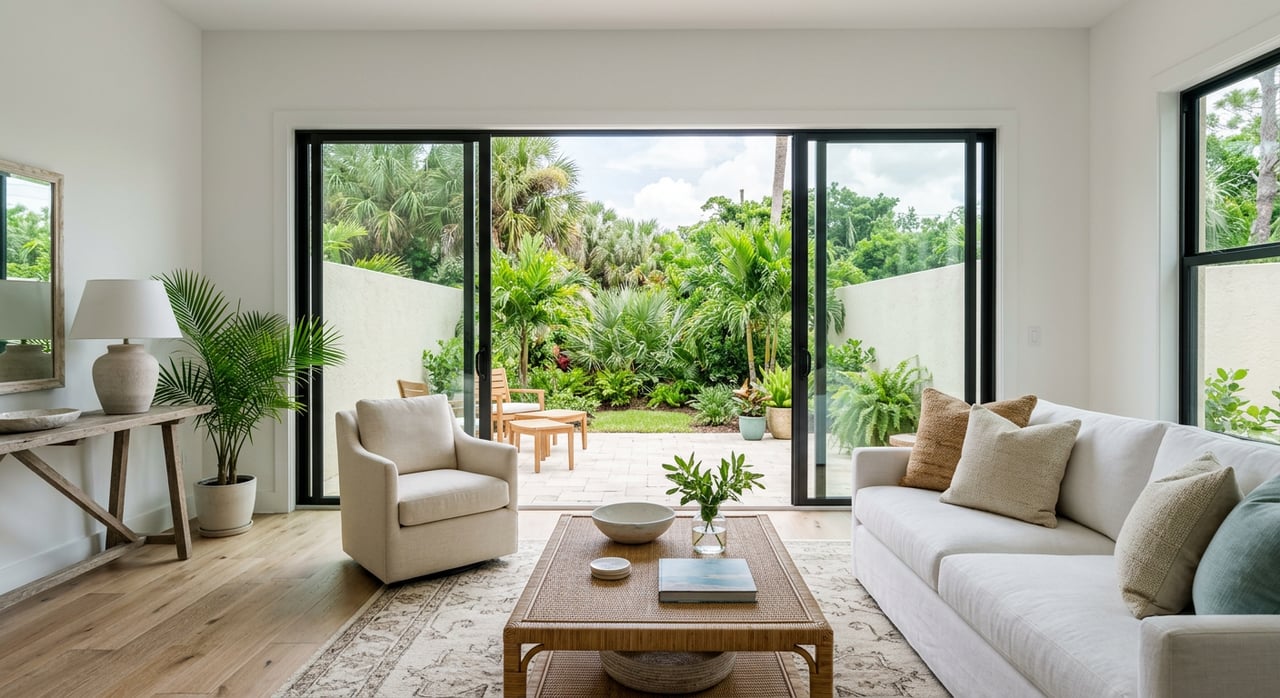
Wondering if listing your WaterColor home furnished will help it sell faster or for more? You are not alone. Many 30A buyers want turnkey, yet furniture can complicate appraisals, taxes, and contracts if you do not plan ahead. In this guide, you will learn when a furnished sale makes sense in WaterColor, how to avoid deal snags, and the simple steps to structure a smooth closing. Let’s dive in.
When furnished makes sense
WaterColor sits in a second‑home and short‑term rental corridor where “turnkey” matters. Investor and lifestyle buyers often want immediate personal use or rental readiness, which can make a furnished home more attractive. Local listings frequently market “fully furnished” and highlight rental performance to capture that demand. If your likely buyer is an investor or out‑of‑area second‑home owner, furnishing can be a marketing edge.
Short‑term rental benchmarks for the broader Santa Rosa Beach market show healthy demand. According to AirDNA’s MarketMinder, market‑level performance indicates annual revenue in the mid‑$60K range, occupancy near 54 percent, and average daily rates around 680 to 690 dollars for this area, with results varying by size, location, and amenities. You can review the market overview for Santa Rosa Beach on AirDNA to understand how buyers may evaluate rental potential.
If your target buyer is a primary resident who wants to bring their own style, an unfurnished approach may cast a wider net. Start by identifying your most likely buyer, then match your strategy to their expectations.
Key risks to plan for
Appraisals and lender limits
Most lenders and appraisers do not include furniture or business elements of a short‑term rental in the appraised value. Fannie Mae advises appraisers to value only the real property and to exclude furniture, fixtures, and equipment. If you price high expecting the furniture to count, a financed buyer could face an appraisal gap. A common fix is to price the real estate competitively and handle furnishings with a separate, itemized Bill of Sale.
- Learn more: see Fannie Mae’s guidance for appraising short‑term rentals.
Fixtures vs. personal property
In Florida, items attached to the home are usually fixtures that convey, while freestanding items are personal property. The MARIA test helps sort gray areas: method of attachment, adaptability, relationship, intention, and agreement. To prevent last‑minute disputes, put every included or excluded item in writing. Clarity now avoids holdbacks later.
- Quick refresher: review a plain‑English overview of fixtures and the MARIA test.
Taxes and tangible personal property
If the buyer plans to rent, furnishings can be depreciated as tangible personal property under IRS rules. Many items fall into a 5‑year class life for residential rentals. Walton County also treats furnishings used in rental operations as tangible personal property for local ad valorem purposes. Work with your CPA to allocate purchase price between real property and personal property so filings and depreciation are correct.
- IRS reference: read IRS Publication 527 on residential rental property.
- Local context: review Walton County’s page on real estate and tangible personal property.
HOA and county compliance
If you market your home as rental‑ready, confirm compliance at the county and HOA levels first. Walton County requires short‑term rental registration for properties rented more than three times per year, with standards for responsible party, occupancy, parking, signage, and penalties. WaterColor’s Community Association requires short‑term rental registration in its portal and an Annual Owner Certification tied to guest access and nightly guest fees. County fee changes took effect February 1, 2025, and WaterColor’s portal rules launched February 1, 2024. Disclose your status in the listing and clarify what transfers at closing.
- County rules: review Walton County’s Short‑Term Vacation Rental Requirements.
- HOA portal: see WaterColor’s Short‑Term Rental Portal.
Pricing and marketing
A well‑curated, coastal look photographs better and helps buyers picture themselves in the home. National data from NAR shows that staging often shortens time on market and can lift offers, which aligns with what we see in 30A’s lifestyle‑driven market. Prioritize key rooms like the living area, kitchen, and primary suite. If you will not convey all items, stage for photos, then provide an inventory that matches what will stay.
Pricing should reflect real property value first, with furniture handled outside the contract price or clearly itemized. If you expect financed offers, plan for appraisal reality and keep the path open for both furnished and unfurnished buyers when possible.
- Staging reference: see NAR’s report on staging benefits.
Contract structure in Florida
Florida Realtors and The Florida Bar’s standard contracts separate real property from personal property. The cleanest path is to attach a detailed inventory addendum and complete a Bill of Sale for furnishings. You can also include an allocation schedule noting how much of the total consideration applies to furniture. Avoid vague phrases like “furnishings negotiable” without an itemized attachment.
- Forms guidance: review the Florida Realtors/Florida Bar Residential Contract and addenda language.
WaterColor seller checklist
Define your target buyer. If you expect investors or second‑home users, furnishing can be a competitive edge.
Confirm your compliance. Verify Walton County short‑term rental registration and WaterColor portal status, Annual Owner Certification, guest capacity, and any fees or signage rules. Address open items before listing.
Price with comps. Ask your agent for furnished vs. unfurnished comps and a plan for financed buyers and appraisal risk.
Create an inventory. Photograph and itemize furnishings you will include. Prepare a Bill of Sale and a proposed allocation for personal property. Loop in your CPA early.
Clarify insurance. Notify your insurer about timing and any rental activity so coverage is correct during the transition.
Stage and shoot. Present a cohesive coastal look and invest in pro photography and a floor plan. Spotlight rental‑ready features if relevant.
Disclose what conveys. Put your inventory addendum in the MLS and provide it at showings and with offers.
Prepare for appraisal. Be ready to separate furniture from the real estate price or adjust expectations based on lender rules.
Plan the handoff. Decide whether vendor lists, management contacts, keys, credentials, and any bookings will transfer. Align with WaterColor’s wristband and guest credential process.
Close cleanly. Confirm Bill of Sale details, purchase price allocation, and any tangible personal property filings. Make sure title and escrow instructions match the agreed structure.
Bottom line
Selling your WaterColor home furnished can help you reach the right buyers faster, especially in a market that values turnkey and rental‑ready options. The key is getting the details right: verify county and HOA status, stage with intention, price to appraise, and document every item that conveys. With a thoughtful plan, you can capture the marketing upside while avoiding deal friction.
If you are weighing furnished vs. unfurnished for your WaterColor sale, let’s talk strategy tailored to your home and buyer pool. Connect with the local team at Emerald Dunes Realty to map the best path to market and a smooth closing.
FAQs
How do appraisals treat furniture in a WaterColor sale?
- Lenders and appraisers typically exclude furniture and short‑term rental business elements from appraised value. If furnishings are included, use a separate Bill of Sale to avoid appraisal issues, consistent with Fannie Mae guidance.
What are Walton County rules if I market as rental‑ready?
- Walton County requires short‑term rental registration, responsible party info, and compliance with occupancy, parking, and signage standards. Confirm your certificate and fees before advertising rental‑ready status.
What does the WaterColor HOA require for short‑term rentals?
- WaterColor requires rental registration in its Short‑Term Rental Portal and an Annual Owner Certification. The HOA manages guest wristbands and nightly guest fees based on certified occupancy.
Which items stay with my Florida home if I do not sell furnished?
- Fixtures typically convey, while freestanding furniture and decor do not. Use the MARIA test and list inclusions and exclusions in writing to prevent disputes.
How should I handle taxes and depreciation on furnishings?
- Buyers who rent can often depreciate furnishings as tangible personal property under IRS rules. Allocate the purchase price between real property and personal property and consult a CPA for proper reporting.
Can upcoming bookings and guest credentials transfer at closing?
- Yes, if both parties agree and it fits HOA and county rules. Clarify in the contract how reservations, vendor contacts, keys, and WaterColor wristbands or guest credentials will transfer or be closed out.