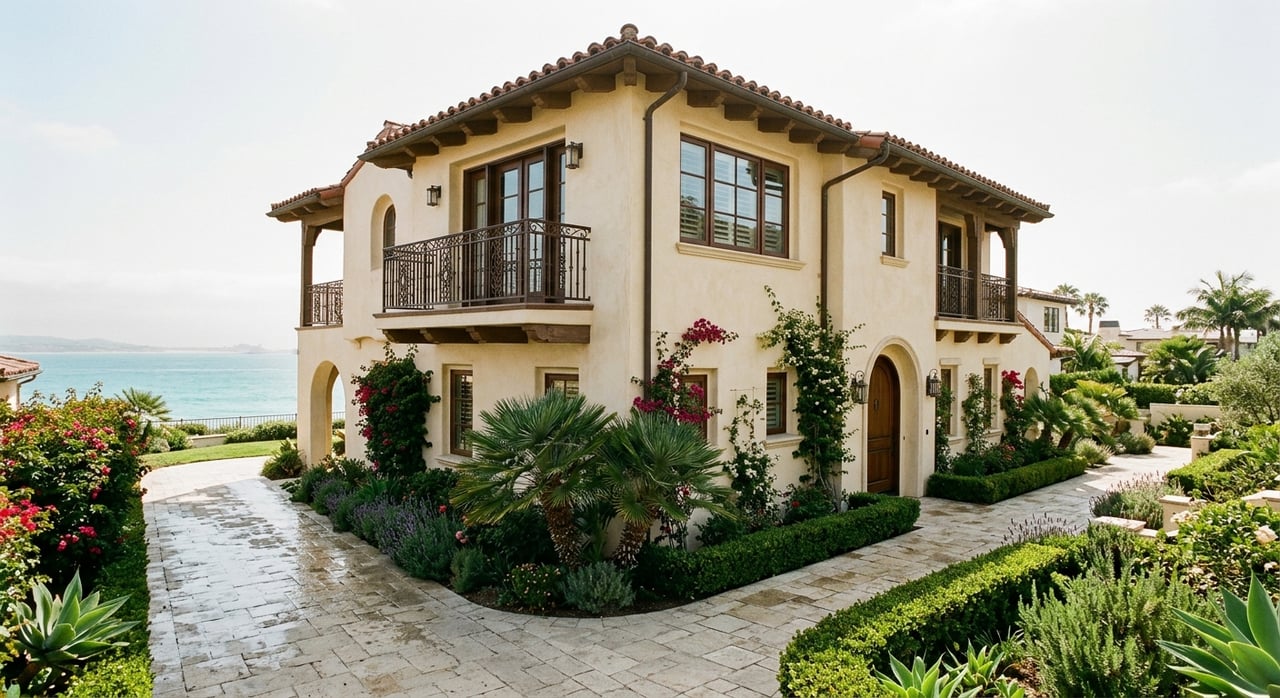
Wondering whether a home in Blue Mountain Resort comes with easy beach-lifestyle perks, strict rules, or a mix of both? That is a smart question, especially in Blue Mountain Beach, where ownership details can vary more than many buyers expect. If you are considering a condo, cottage, or rental-ready property in this part of Walton County, it helps to know what the HOA or condo association may control, what benefits you may enjoy, and what to verify before you close. Let’s dive in.
Why Blue Mountain rules are not one-size-fits-all
One of the biggest things to understand is that Blue Mountain is not governed by a single, uniform HOA. Public records show separate active entities, including Blue Mountain Beach Condominium Association, Inc. and Blue Mountain Beach Master Owners Association, Inc. The Village at Blue Mountain Beach also operates with a master association and three constituent associations with separate boards.
That means you should treat “Blue Mountain Resort” as an area label, not as one universal set of documents. The rules, fees, amenities, and use restrictions can change depending on the exact building, plat, or subdivision. If you are comparing properties, this detail matters right away.
What county rules shape ownership
In Blue Mountain Beach, some important ownership rules begin at the county level, not just inside HOA documents. Walton County’s Blue Mountain Beach Neighborhood Plan is designed to preserve the area’s existing single-family beach-community character and older beach-town feel. It prohibits multifamily and nonresidential uses, bars further subdivision and increased density, and limits post-plan residential construction to single-family homes plus accessory structures.
The same plan allows only one accessory apartment per lot, and that accessory apartment cannot be rented separately. For buyers who are thinking about guest space, flexible use, or future income potential, that is an important distinction. It can affect how you view a property’s long-term value and practical use.
The county plan also sets standards for setbacks, a 50-foot building-height limit, off-street parking, and vegetation and coastal dune lake buffers. In addition, parking for residents, guests, construction workers, RVs, trailers, and other purposes must stay within property boundaries or easements. The plan does not allow on-street parking or encroachment onto private property.
Parking and access matter more than you may expect
Parking rules can shape your everyday experience just as much as the home itself. In a beach area like Blue Mountain, where guests, visitors, and service providers often come and go, limited parking can become a real quality-of-life issue. That is why buyers should look closely at both county restrictions and association rules.
The county plan also identifies six pedestrian beach and lake accesses that should remain pedestrian- and bicycle-oriented. This is helpful if you value walkability and easy access to the beach or nearby natural features. It also means access, traffic flow, and parking may be guided by county policy instead of by the HOA alone.
There is another reason to review access carefully. A 2023 Walton County appeal involving the Blue Mountain Beach condominium gate referenced a settlement agreement, development order, public beach access, parking, and an easement, with the dispute focused on whether the gate blocked vehicular access. The takeaway is simple: in Blue Mountain, access rights can be highly document-specific.
Common HOA rule themes in Blue Mountain
While each community has its own documents, a few rule categories tend to come up often in this area. These rules usually focus on protecting appearance, managing shared spaces, and balancing owner use with guest activity. If you are buying a second home or investment property, these details deserve extra attention.
Typical rule areas may include:
- Architectural review and exterior design standards
- Assessment schedules and special charges
- Parking limits for cars, golf carts, trailers, and service vehicles
- Trash storage and collection procedures
- Quiet hours and guest conduct expectations
- Pet rules, including leash requirements
- Sign restrictions
- Rental minimums and lease terms
- Gate codes, remotes, and amenity access procedures
These may sound routine, but they can shape how easy a property is to enjoy, rent, maintain, or improve.
How architectural control can affect value
In some Blue Mountain communities, design review goes beyond basic appearance standards. The Village at Blue Mountain Beach provides a useful example. County records tied to a variance filing show that its master association enforces building standards through an Architectural Review Committee.
The same filing says the neighborhood design code recommends a minimum of 1,000 square feet for some small lots, and the variance request sought approval for 24-inch cantilevers to make those standards workable. For you as a buyer, this shows how design controls can affect buildability, renovation options, and future resale. A home’s potential is not just about the lot or floor plan. It is also about what the governing documents allow.
Perks owners may enjoy in Blue Mountain communities
HOA living is not only about rules. In many cases, the association helps create a more convenient, organized, and resort-like ownership experience. That can be especially appealing if you want a second home with fewer day-to-day maintenance headaches.
At The Village at Blue Mountain Beach, owners and their guests can use the pool and fitness center. The first access card is free, and the association maintains an irrigation system and landscape services for common areas. Lawn care is also handled through the association’s vendor.
Those types of services can make ownership feel more streamlined, particularly if you live out of town. Instead of coordinating every detail yourself, some core upkeep is built into the community structure. For remote owners and seasonal users, that added convenience can be a meaningful benefit.
Golf cart and lifestyle conveniences
In 30A communities, small conveniences often carry a lot of value. The Village at Blue Mountain Beach rents guest golf-cart spaces for a set fee and keeps golf-cart parking separate from automobile parking. According to the community’s published information, carts are limited to designated spaces, and guest golf-cart parking is offered at $50 per 7-day period.
That may sound like a small detail, but in a coastal setting it can improve how easily you and your guests move around. If a neighborhood supports organized golf-cart use, beach trips and local outings can feel more relaxed. It is one more reason to compare community rules closely when evaluating similar properties.
Blue Mountain’s location perks beyond the HOA
Some of Blue Mountain’s best benefits come from the setting itself. Visit South Walton describes Blue Mountain Beach as South Walton’s highest elevation at about 65 feet and notes the area’s connection to public beach accesses, Big Redfish Lake, and the Timpoochee Trail. These are location-based perks that can matter just as much as a formal amenity package.
Walton County’s neighborhood plan reinforces that by preserving six pedestrian beach and lake accesses. For buyers, that can support the lifestyle appeal that draws people to this part of 30A in the first place. When you are choosing between communities, it helps to weigh both the internal HOA amenities and the surrounding public-access advantages.
Rental rules can vary by community
If you are considering income potential, do not assume the rental policy is the same across Blue Mountain. Association-level rules can be very specific. At The Village at Blue Mountain Beach, published rules say short-term rentals of 3 days or more and long-term rentals of 6 months or more are allowed.
That does not mean another Blue Mountain property will follow the same policy. Rental minimums, registration procedures, guest parking rules, and use restrictions can all differ from one association to another. If rental flexibility is part of your buying strategy, this should be one of your first document reviews.
What to verify before closing
Before you move forward on a Blue Mountain purchase, make sure you review the exact governing documents for the property you want. Florida law makes these documents central to ownership. For HOAs, the association must maintain official records that include the declaration, bylaws, amendments, current rules, and meeting minutes, and owners can request inspection.
Florida law also requires a disclosure summary for prospective purchasers in HOA-governed communities, and a contract can be voidable if that summary was not provided before signing. For condominiums, the association is the legal operating entity and must maintain recorded governing documents and official records. Florida’s DBPR also states that many condominium associations with 25 or more units must maintain a website or app with key documents starting January 1, 2026.
A smart buyer checklist should include:
- Declaration and all amendments
- Bylaws and current rules
- Budget and reserve information
- Assessment schedule
- Rental policy and lease minimums
- Parking policy for owners and guests
- Gate, access, and amenity rules
- Architectural guidelines or review standards
- Recent meeting minutes
This review can help you spot deal-shaping issues before closing, not after. It can also help you compare two similar-looking properties that actually come with very different ownership terms.
What enforcement can and cannot do
Association enforcement authority matters, but it also has limits. Under Florida law, HOAs may levy fines and suspend certain use rights. However, a suspension cannot take away vehicular and pedestrian ingress or egress to the parcel, including the right to park.
Architectural review authority is also limited to what is stated or reasonably inferred in the declaration or published guidelines. In plain terms, the association cannot simply invent standards on the fly. That is why document clarity is so important when you are evaluating a purchase.
Why local guidance helps in Blue Mountain
Blue Mountain can be appealing because it offers beach access, natural beauty, and a laid-back 30A feel. But from a buying standpoint, it rewards careful review. The same area name can cover properties with different associations, different amenity packages, and very different rules.
If you are buying for personal use, a second-home lifestyle, or rental potential, the details behind the address matter. A boutique local brokerage can help you sort through those details, compare document sets, and focus on properties that truly fit your goals. For tailored guidance on Blue Mountain and the broader 30A market, start your search with Emerald Dunes Realty.
FAQs
What HOA rules should buyers review in Blue Mountain Resort?
- You should review the exact declaration, bylaws, rules, budget, reserve information, rental policy, parking policy, gate or access policy, and any architectural guidelines for the specific building or subdivision.
Are all Blue Mountain Resort properties under one HOA?
- No. Public records show separate active association entities in Blue Mountain Beach, so rules, fees, and amenities can vary by the exact property and community.
Can you rent out a property in Blue Mountain Resort?
- Rental rules depend on the specific association. For example, The Village at Blue Mountain Beach states that short-term rentals of 3 days or more and long-term rentals of 6 months or more are allowed there.
What are some owner perks in Blue Mountain communities?
- Depending on the community, perks may include access to amenities like a pool and fitness center, maintained common areas, lawn-care coordination, irrigation maintenance, gate access systems, and organized golf-cart parking.
How do county rules affect Blue Mountain Beach ownership?
- Walton County’s neighborhood plan affects items like permitted uses, density, building height, setbacks, parking, and access patterns, so ownership terms are shaped by both county rules and association documents.
What should buyers know about parking in Blue Mountain Beach?
- The county plan requires parking to stay within property boundaries or easements and does not allow on-street parking or encroachment onto private property, so parking capacity should be checked carefully before closing.